
Best Fund-in-a-Box for Emerging Managers in UAE

A fund-in-a-box is an all-in-one platform that handles fund formation, licensing, compliance, and ongoing administration for emerging managers in a single integrated solution.Traditionally, launching an investment vehicle meant piecing together a complex puzzle of service providers. You would need a lawyer for a fund structuring service, another vendor for your AML KYC fund platform, and […]
Is an SPV Right for You? Decision Guide for SEA Investors and Syndicates

Across Southeast Asia, more angels and operators are moving from occasional investing to running structured deals. What used to be a single cheque into a startup is now a group of investors coming together. Informal conversations turn into coordinated allocations, and early traction quickly becomes repeat activity. At first, this works. But as the number […]
Credit Investors Just Made Their Bet on AI Infrastructure
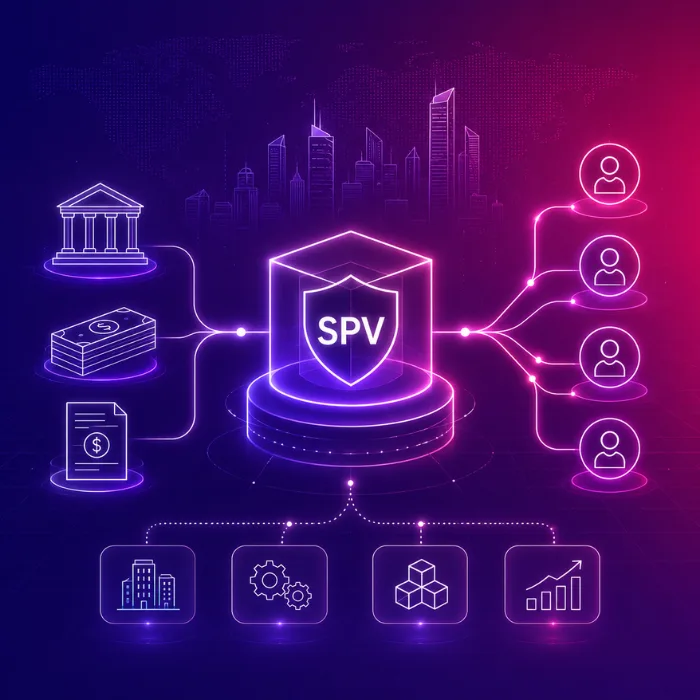
SpaceX didn’t just pull off the biggest IPO in history. Two weeks later, it went back to the market, this time for debt, and investors threw $90 billion at a $25 billion bond sale. That’s an oversubscription rate of more than three times, on top of an IPO that was itself oversubscribed by roughly the […]
UAE to Singapore Angel Investing: Structure a Cross-Border SPV
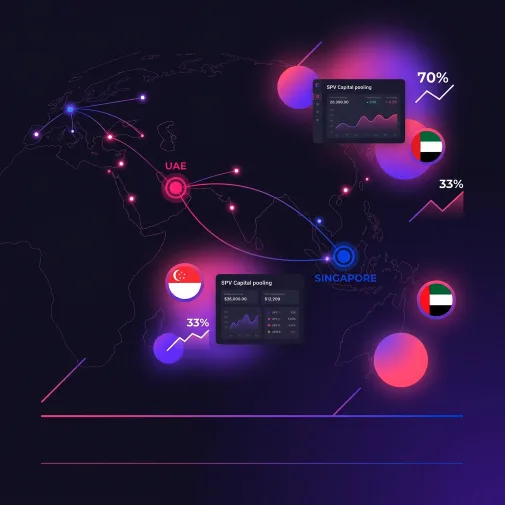
Setting up a UAE to Singapore SPV is the most efficient way to pool capital for regional startups. This approach simplifies UAE to Singapore investing by creating a single entity for your group. A clean cross-border SPV structure keeps the target company’s ownership ledger tidy. It also makes SPV capital pooling straightforward for everyone involved. […]
How Hong Kong Investors Are Using Singapore SPVs to Execute Cross-Border Deals
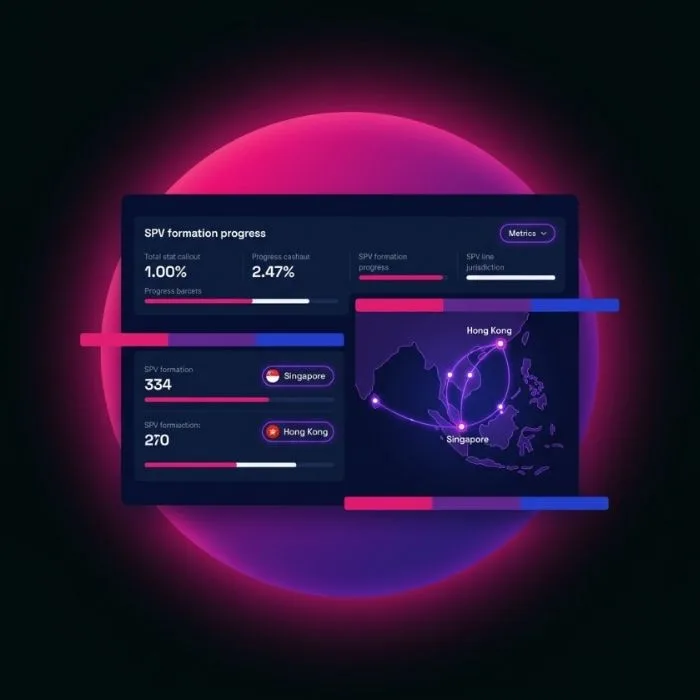
If you are a Hong Kong investor looking to structure deals without the usual administrative friction, the question is no longer whether to go cross-border. That shift has already happened. The real question is how to structure deals in a way that keeps up with the speed of opportunity. A Special Purpose Vehicle (SPV) remains […]
How to Structure Syndicate Access to Pre-IPO AI Companies Like Anthropic
The secondary market for shares in top-tier AI companies is heating up fast. With Anthropic targeting a Q4 2026 IPO at a $965B+ valuation and OpenAI waiting in the wings, syndicate leads are racing to lock in allocations. Many are losing deals not because they can’t source them, but because they can’t execute fast enough. […]
The Infrastructure Play: Why Emerging Managers Are Raising Sector-Specific Vehicles

Global Capital Has Shifted, and Generalist Funds Are Losing the Edge Global investing is no longer a niche strategy. It is the default. Capital is flowing across borders faster than ever, and investors are becoming more selective about where they allocate. In 2026, infrastructure and sector-focused strategies have taken a leading role, with some markets […]
How UAE and Gulf Investors Are Using Singapore SPVs to Access Asia Deals
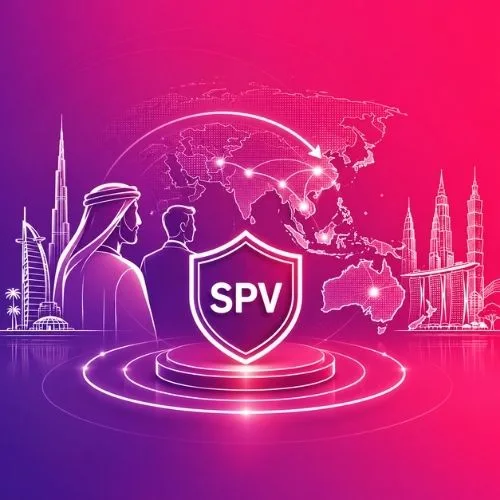
Why Gulf Capital Is Moving Aggressively Into Asia There has been a clear shift in how capital from the UAE and the broader Gulf region is being deployed. More investors are looking east, with Southeast Asia and India offering strong growth narratives, earlier entry points, and access to sectors that are still maturing compared to […]
Lessons from Building Investment Infrastructure in Asia: Insights from Auptimate Co-Founder Olivier Too
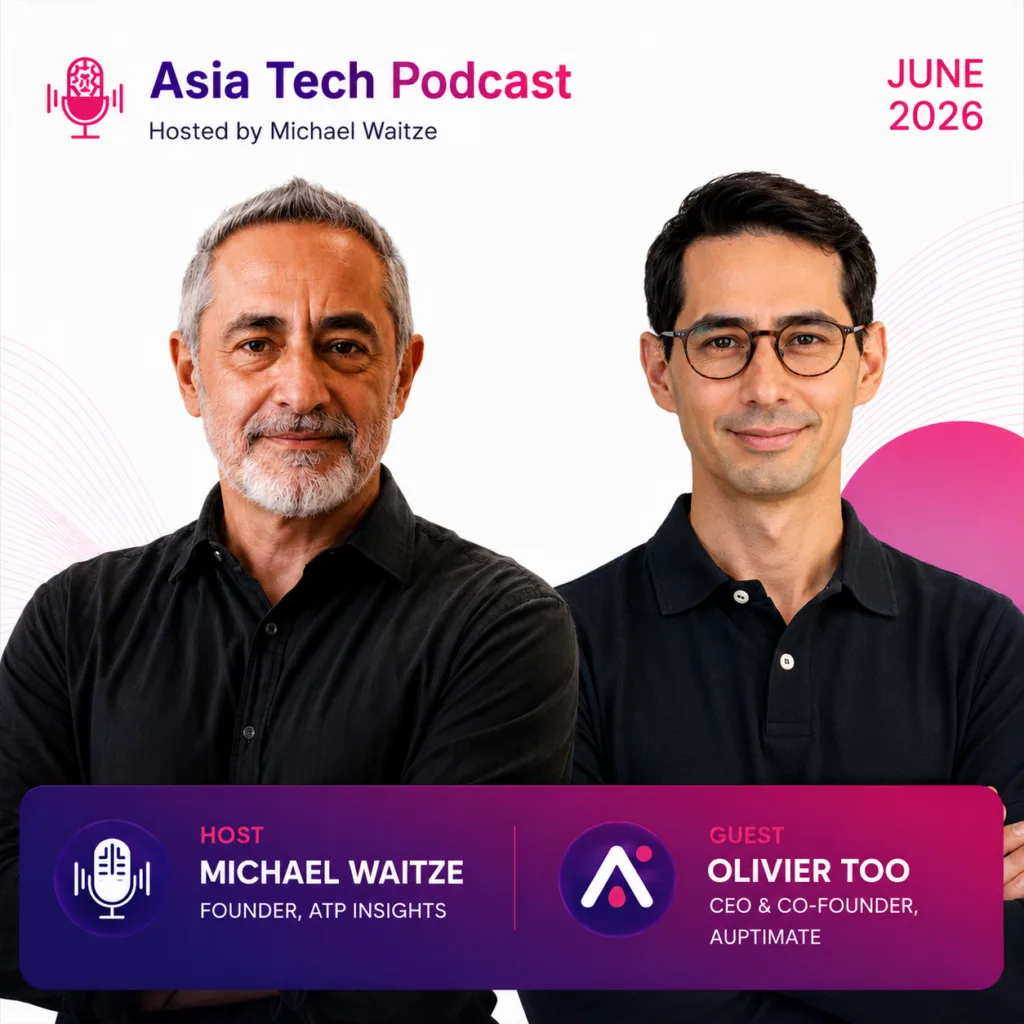
Based on insights shared by Olivier Too, Co-Founder of Auptimate, during a recent interview on Asia Tech Podcast. The venture ecosystem has become significantly more accessible over the past decade. Founders can launch companies faster than ever before, investors can discover opportunities globally, and capital can move across borders with increasing ease.Yet one critical part […]
Why Investors Are Chasing Private Shares Instead of IPOs

The Private Share Boom Has Already Started For decades, public markets represented the finish line. Companies raised venture capital, scaled aggressively, and eventually listed on a public exchange where broader investors could finally participate in their growth. That model is changing. Today, many of the world’s most valuable technology companies are reaching extraordinary scale while […]